-
What are the main types of garbage trucks available?
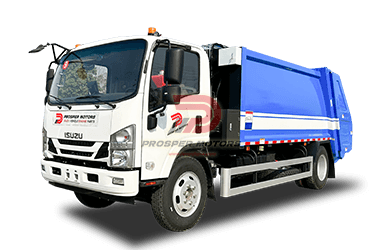
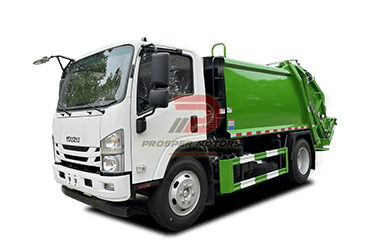
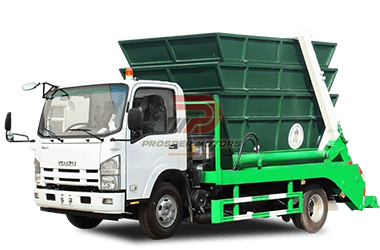
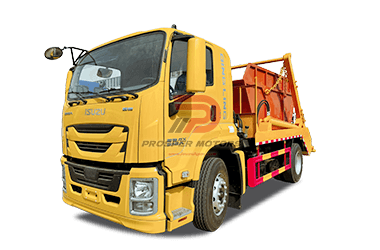
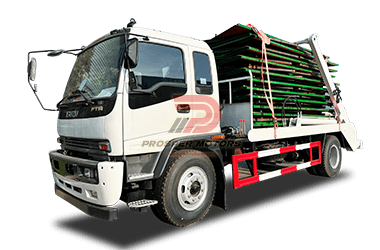
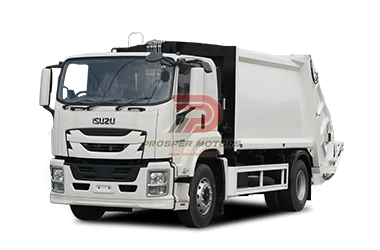
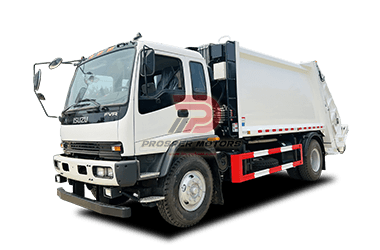
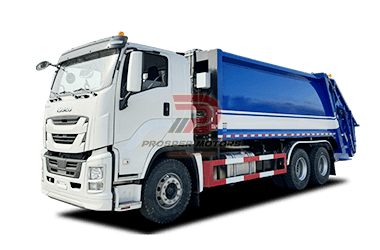
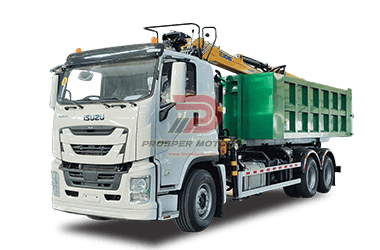
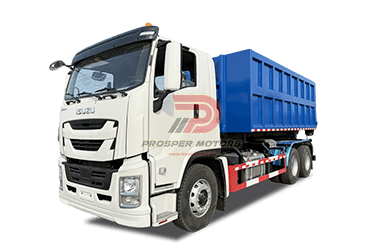
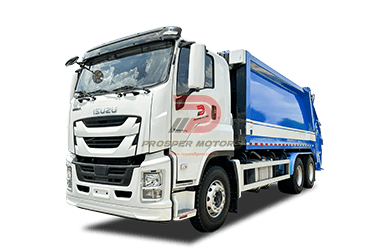
Common types include compactor garbage trucks (for efficient waste compression), compressed garbage trucks (high-density waste handling), hooklift garbage trucks (versatile container systems), and self loader trucks (automated loading/unloading). Each type suits specific waste management needs.
-
How does a compactor garbage truck improve efficiency?
A compactor garbage truck reduces waste volume by up to 70% through hydraulic compression, allowing fewer trips to disposal sites. Ideal for municipal collections, it maximizes payload capacity and lowers operational costs.
-
What’s the advantage of a hooklift garbage truck over traditional models?
Hooklift garbage trucks feature interchangeable containers, enabling quick swaps between waste, recycling, or bulk materials. Their modular design enhances flexibility for diverse applications, from construction debris to household waste.
-
Can a compressed garbage truck handle hazardous materials?
Standard compressed garbage trucks aren’t designed for hazardous waste. However, specialized models with sealed compartments and corrosion-resistant liners can manage certain non-toxic industrial waste. Always verify local regulations.
-
How does a self loader truck reduce manual labor?
Self loader trucks automate waste collection using hydraulic arms and bins, eliminating manual lifting. Workers simply place bins, and the system loads, compacts, and empties them—ideal for tight urban spaces with limited staffing.
-
What’s the typical lifespan of a garbage truck?
With proper maintenance, a compactor garbage truck or compressed garbage truck lasts 8–12 years. Hooklift garbage trucks and self loader trucks may last longer due to modular component replacements. Annual inspections are critical.
-
Are there eco-friendly options for garbage trucks?
Yes! Electric compressed garbage trucks and hybrid self loader trucks reduce emissions. Some models also feature solar-powered compactors or biodiesel compatibility, aligning with sustainability goals.
-
What’s the payload capacity of a standard compactor garbage truck?
Most compactor garbage trucks carry 10–15 tons of uncompressed waste. After compaction, this equates to 3–5 tons of compressed waste, depending on density. Always check the manufacturer’s specs for your model.
-
Do hooklift garbage trucks require special training?
Yes, operators need certification for hooklift garbage trucks due to their hydraulic systems and container-swapping mechanics. Training covers safety protocols, weight distribution, and emergency procedures.
-
How do I choose between a compressed garbage truck and a self loader truck?
Compressed garbage trucks suit high-volume routes (e.g., citywide collections), while self loader trucks excel in areas with frequent stops (e.g., residential neighborhoods). Assess your collection frequency, terrain, and crew size to decide.