-
What is a self-loading truck?
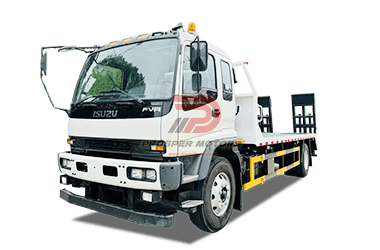
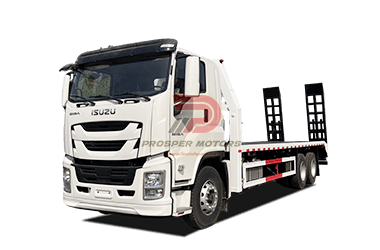
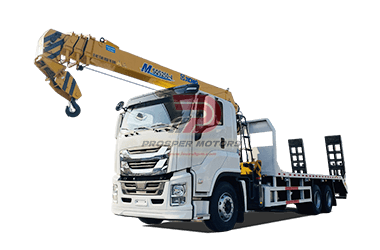
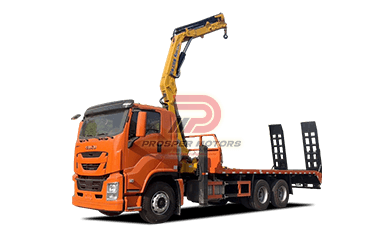
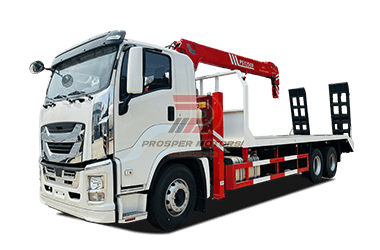
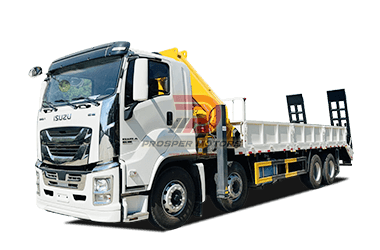
A self-loading truck is a heavy-duty vehicle equipped with an integrated hydraulic loading system, allowing it to autonomously load/unload materials (e.g., sand, gravel) without external equipment. The selfloading truck design significantly reduces labor costs and operational downtime.
-
How does a self loading truck improve efficiency?
By combining transport and loading functions, self-loading trucks eliminate the need for separate loaders, cutting loading time by 40-60%. Their automated systems ensure precise material handling even in confined spaces.
-
What materials can a selfloading truck handle?
Self-loading trucks are versatile, handling aggregates, debris, agricultural products, and even liquid tanks. Specific models may have weight/volume limits, so check the self loading truck’s manual for compatibility.
-
Are self-loading trucks suitable for rough terrain?
Yes. Most selfloading trucks feature 4WD, reinforced chassis, and stabilizers for off-road operations. Some models offer adjustable ground clearance for uneven surfaces.
-
What’s the maintenance cost of a self loading truck?
Maintenance costs vary by brand but average 15-20% lower than conventional trucks due to fewer moving parts in the self-loading truck’s integrated system. Regular hydraulic checks are critical.
-
Can a selfloading truck operate in extreme temperatures?
High-end self-loading trucks use temperature-resistant hydraulics (-30°C to 50°C). For Arctic or desert use, opt for models with insulated/oil-cooled systems.
-
What’s the payload capacity of a selfloading truck?
Standard self-loading trucks carry 5-20 tons. Custom units for mining/logistics may exceed 30 tons. Always cross-check the GVWR (Gross Vehicle Weight Rating).
-
Why choose a self loading truck over traditional dump trucks?
Self-loading trucks reduce dependency on external loaders, enable faster turnaround, and lower fuel consumption per ton-mile—ideal for remote sites or just-in-time deliveries.